
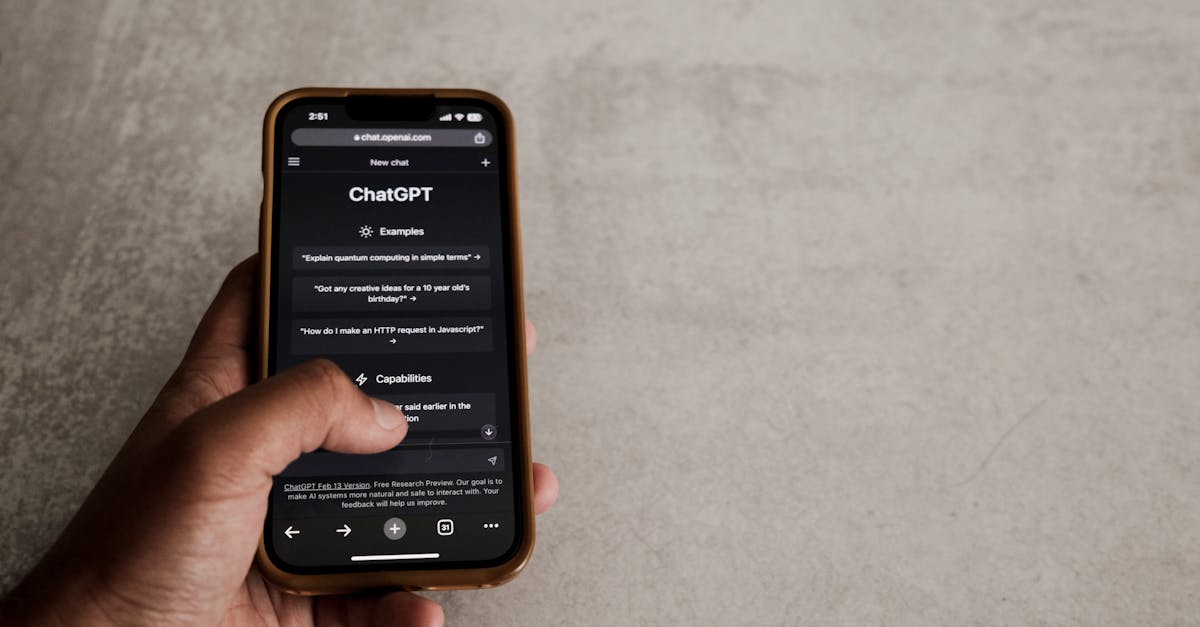
How does ChatGPT decide which brands to recommend?
ChatGPT names brands it can find, parse and corroborate. When a buyer asks it what to buy, the answer draws on two pools: what the model absorbed in training, and what its search retrieval finds and trusts at the moment of the question. A brand absent from both pools cannot appear in the answer, no matter how good the product is.
Neither pool works like a results page. There is no position eleven in a ChatGPT answer; the model names a handful of options and the conversation moves on. That handful is assembled from sources the system treats as credible: comparison and review coverage, established publications, community discussion, and pages whose claims are stated cleanly enough to lift. Getting recommended is the work of becoming easy to find, easy to quote and easy to believe across those sources. As of August 2026, that work has a name, Answer Engine Optimisation (AEO), and a measurable method.
Which sources should your brand be present in?
Mostly other people's. The consistent pattern across citation research in 2025 and 2026, and across our own tracking data, is that AI answers lean heavily on third-party sources: review platforms, comparison pages, industry publications and community threads, with a brand's own site treated as one input among many.
We measured a version of this directly. In August 2026 we checked the questions in our own category across US Google and found an AI Overview on every one, citing the same recurring names: Reddit, YouTube, HubSpot, Coursera, Forbes. Generalist platforms, holding the citation slots in a young category because nobody had earned them as a specialist yet. Your category likely looks similar, and the practical reading is blunt: the surfaces the engines already trust are where your brand needs to appear, which makes review-platform profiles, one strong comparison presence, and genuine community participation prerequisites instead of extras.
What should your own site publish?
Answers. The single highest-yield change on most brand sites is publishing pages that answer the exact questions buyers ask, phrased the way buyers ask them, with the answer in the first two sentences under a question-shaped heading. That shape exists because it is what engines lift: a heading that matches the question, followed immediately by a complete, quotable response.
The rest of the on-site work is making your facts effortless to verify. Product pages that state what a thing is, who it is for and what it costs to run, in plain sentences. Consistent naming, so the engine resolving your brand into an entity meets the same identity everywhere. Current dates on content, because retrieval favours freshness. Structured data and clean markup, so parsing never fails. None of this is exotic; all of it is the difference between being quotable and being skipped.
How do you know if any of it is working?
By reading the answers, on a schedule, and by measuring against your search data. The test that matters is typing your buyers' questions into ChatGPT and recording who gets named; a month of weekly checks shows movement that no analytics dashboard will, because the buyer who takes an AI recommendation may never visit your site at all. Paired with Google Search Console and Google Analytics 4, the answer-checks turn into a loop: what changed in the answers, what changed in queries and sessions, and whether the two moved together.
This loop is continuous work, and that is the honest catch in every guide like this one. Answers drift as models update, competitors publish, and sources change; the brands that stay recommended are the ones for whom checking and responding is a function with an owner rather than a quarterly memory. Running that function is what MentionOS was built for: the Agent reads the answers, writes and publishes the responses through your own site platform, keeps your brand facts maintained, and reports what moved, with your approval on every step. The buyer's guide to the ways of getting this work done, tools, agencies and agents included, is in answer engine optimization services.
FAQ
How long does it take to get mentioned by ChatGPT?
There is no fixed timeline, and anyone quoting one is guessing. The moving parts are how often the model's retrieval refreshes, how quickly your content earns third-party corroboration, and how contested your category's questions are. What can be said honestly: brands usually see movement in retrieval-backed answers well before training-data answers change, which is why fresh, citable content and third-party presence are the front of the queue.
Can I pay to be recommended by ChatGPT?
No. OpenAI sells sponsored placements that appear alongside conversations, and states plainly that ads do not influence the answers themselves. The recommendation inside the answer cannot be bought, which is precisely why earning it has become a discipline.
Does this work the same on Gemini, Perplexity and Claude?
The principles transfer; the weights differ, and they change without notice. As of late 2026, Perplexity is the most retrieval-forward, so freshness and citable sources matter most there; Gemini and Google AI lean on Google's existing view of the web; Claude answers more from training data on many questions. Reading the answers across engines is the only reliable way to see where you stand on each. Why a strong Google position does not transfer automatically is covered in why your Google rank means nothing to ChatGPT.
What is the fastest first step?
An audit you can run in an afternoon: write down the ten questions your buyers would ask, put each to ChatGPT, and record which brands get named and which sources the answers cite. The gap between that document and what you want it to say is your work list, in priority order.